100 Years of Kruger National Park: A Century of Conservation, Wilderness, and Legacy
On 31 May 2026, Kruger National Park celebrates a truly remarkable milestone — 100 years since it was officially proclaimed South Africa's first national park.
For a century, Kruger has stood as a symbol of conservation success, evolving from a fragile, threatened landscape into one of the most iconic wildlife destinations on earth. But this anniversary is about more than just looking back. It's about understanding the journey, appreciating the present, and recognising the responsibility we all share in shaping its future.
From Sabie Game Reserve to Global Icon
Kruger's story began long before 1926. In 1898, then-President Paul Kruger established the Sabie Game Reserve in an effort to protect wildlife that was rapidly disappearing due to hunting and settlement.
Nearly three decades later, the National Parks Act of 1926 formally united the Sabie and Shingwedzi reserves into what we now know as Kruger National Park. This marked the birth of South Africa's national park system — and the beginning of a conservation legacy that would inspire the world.
A Landscape Like No Other
Today, Kruger spans almost 20,000 square kilometres, making it one of Africa's largest and most diverse protected areas.
Within its boundaries lies an extraordinary concentration of life:
- 147 mammal species, including the iconic Big Five
- Over 500 bird species
- A wide range of reptiles, amphibians, and plant life
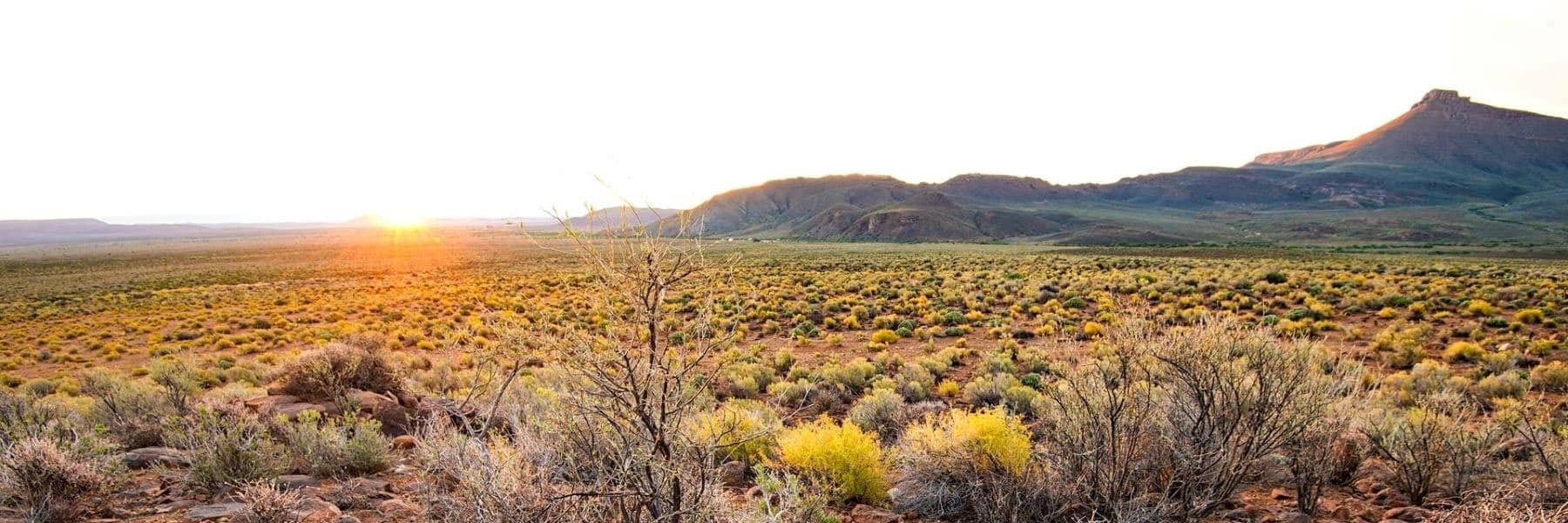
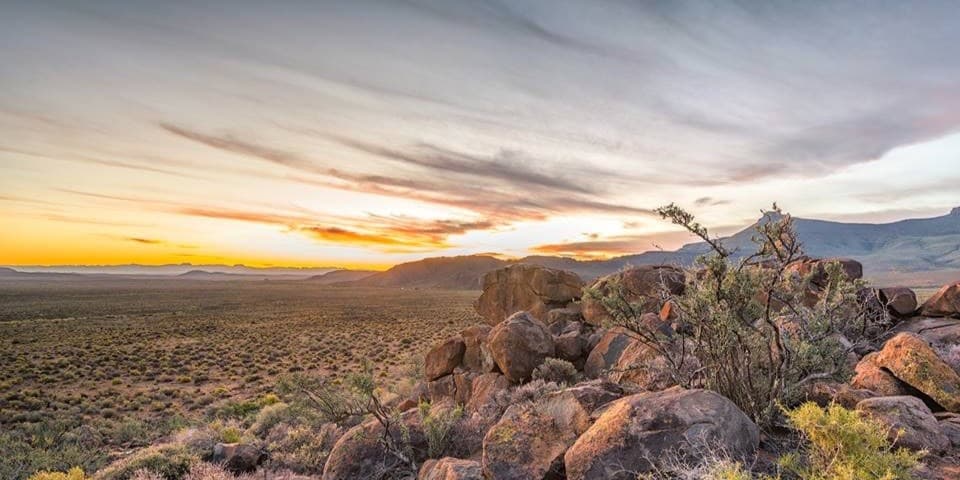
What makes Kruger truly special is not just its biodiversity, but its diversity of landscapes. The southern regions are known for dense wildlife populations and frequent predator sightings, while the north offers a quieter, more remote wilderness experience — raw, vast, and deeply humbling.
A Century of Conservation Success
Kruger's journey over the past 100 years has not been without challenges. From poaching crises to environmental pressures, the park has had to constantly adapt.
Yet, it remains one of the world's leading examples of large-scale conservation done right.
More than 1.3 million visitors pass through its gates each year, contributing to both the South African economy and the ongoing protection of this natural treasure. Tourism, when done responsibly, has become a vital part of conservation — helping to fund anti-poaching efforts, research, and community development.
Celebrating the Centenary
The 100-year anniversary is being marked by South African National Parks with a series of initiatives throughout 2026.
These include:
- Conservation-focused webinars and educational programmes
- Events that highlight the park's history and future
- Special travel offerings that allow visitors to experience Kruger in a meaningful way during this milestone year
These celebrations are not just about honouring the past — they are about inspiring the next generation of conservationists and travellers.
The Challenges Ahead
While the centenary is a moment of pride, it also brings important questions about the future.
Climate change, habitat pressure, and the need for stronger community involvement all play a role in shaping what the next 100 years will look like. Conservation today is no longer just about protecting wildlife — it's about creating sustainable systems where people and nature can coexist.
Kruger's future will depend on continued collaboration between conservation bodies, local communities, and responsible travellers.
Why 2026 Is the Year to Visit
There has never been a more meaningful time to experience Kruger.
Visiting during its centenary year offers something deeper than a traditional safari. It's an opportunity to connect with a landscape that has been protected for generations — and to become part of its ongoing story.
Whether it's your first safari or a return to a place you love, Kruger in 2026 carries a sense of significance that few destinations can match.
A Journey Done Properly
At Waymaker Tours Africa, we believe that a journey to Kruger should never be rushed or reduced to a checklist.
It should be thoughtfully planned, tailored to your interests, and designed to immerse you in the rhythm of the bush. From private reserves to carefully selected lodges, every detail matters in creating an experience that stays with you long after you leave.
If Kruger has been on your radar, this is the year to do it — and to do it properly.
A century ago, this land was given a chance.
Today, it stands as one of the greatest conservation stories ever told.
The next chapter is ours to shape.